Review: A Skeleton Reading Book Svg for Embroidery
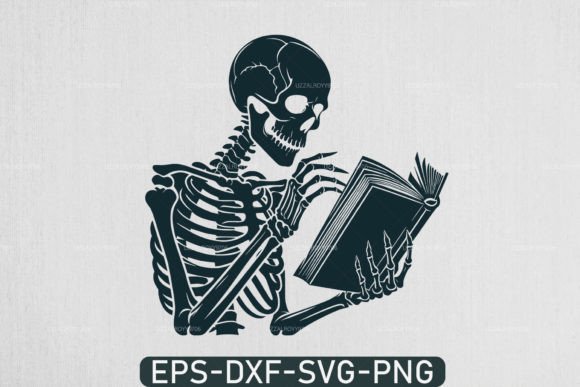
As a designer who spends more time staring at stitch simulations than I do sleeping, I am always skeptical when a new file crosses my desk that originates from the vector world. We see it all the time: a beautiful A Skeleton Reading Book Svg, Book Lover file marketed for Cricut or Glowforge users, suddenly finding its way into the hands of embroidery artists. The aesthetic is undeniable—whimsical, slightly gothic, and perfect for the "bookish" crowd—but translating a cut-file concept into a functional machine embroidery design requires a critical eye. I recently put this specific graphic through its paces to see if it holds up under the needle or if it's just another pretty picture that falls apart in the hoop.
The Vibe: Whimsy Meets Mortality
The first thing that strikes you about A Skeleton Reading Book Svg, Book Lover is its mood. It captures that cozy, autumnal feeling of curling up with a good story, even when you're technically deceased. For an embroidery project, this theme offers incredible versatility. It isn't just for Halloween; it's a year-round statement for librarians, English teachers, and avid readers who appreciate dark humor. When I visualized this as a finished product, I immediately thought of a cream-colored canvas tote bag or a heather grey sweatshirt. The contrast potential is high, allowing the skeleton's bones to pop against darker fabrics or blend softly with pastels depending on your thread choices.
However, because this starts as a Graphics asset intended for cutting machines, the line work can be tricky. In vector form, a thin line is just a path. In embroidery, a thin line is a precarious balance of running stitch integrity and fabric tension. If the original SVG has incredibly fine details in the book pages or the floral accents often associated with this design, those areas demand careful digitizing. You cannot simply import an SVG and expect magic; the transition from Crafts cut-file to stitch file requires checking every corner for potential bird-nesting.
Real-World Application: The Boutique Sweatshirt Test
To give this design a fair shake, I imagined a real-life scenario: a custom order for a local indie bookstore looking for staff apparel. They wanted something unique, not just a printed logo. I pictured A Skeleton Reading Book Svg, Book Lover embroidered on the left chest of a heavy-weight cotton blend sweatshirt. This is a classic use case for custom apparel. The texture of the sweatshirt fleece provides a nice backdrop, but it also introduces challenges. If the design relies on tiny text like "Reader" or "Bookish," those letters might get lost in the nap of the fabric unless they are wide enough to support a satin stitch column.
For a small shop product like this, presentation is everything. Customers trust handmade quality. If the skeleton's ribs are too dense, the fabric will pucker, ruining the professional look. If they are too sparse, the backing stabilizer will show through, looking cheap. A successful execution of this design elevates the perceived value of the garment. It transforms a basic hoodie into a conversation starter. I also considered this for an embroidered patch. Hooping a piece of twill and stitching this design out as an iron-on accessory would allow for higher stitch density without worrying about garment stretch, making it a safer bet for intricate versions of the file.
Navigating Fabric and Hoop Challenges
Not every surface is created equal. While A Skeleton Reading Book Svg, Book Lover looks great on a flat tote, placing it on a curved surface like a baseball cap requires serious consideration. The brim area is unforgiving. If the book illustration is too wide, it will distort around the curve. Similarly, using this on baby embroidery projects, like a onesie, demands a lighter touch. Babies have sensitive skin, so a heavy fill stitch background might be uncomfortable. In these cases, opting for an applique design approach—where the skeleton is cut from fabric and stitched down—could reduce bulk while maintaining the visual impact.
Dark fabrics present another hurdle. If you are stitching white bones on a black hoodie, you need to ensure your underlay is sufficient to prevent the dark fabric from peeking through the stitches. This is where checking the stitch density becomes crucial. A well-digitized version of this design will include a solid underlay to create a clean canvas for the top threads. Without it, your skeleton might look ghostly in the wrong way. Always test on scrap fabric that matches your final material. What works on stable quilting cotton might disasterously shift on a stretchy jersey knit.
Commercial Viability and Brand Consistency
For the Etsy seller or creative entrepreneur, consistency is key to building a brand. If you sell holiday embroidery gifts or personalized items, this design fits neatly into a "cozy spooky" niche. However, before listing it as a digital embroidery file or selling finished goods, you must verify the licensing. Just because a file is labeled for Cricut doesn't automatically grant commercial embroidery rights. Many designers protect their design assets differently across platforms. Using A Skeleton Reading Book Svg, Book Lover without clearing these terms could lead to copyright strikes against your small business.
Assuming the license clears, the marketability is strong. Book lovers are a passionate demographic. They buy mugs, shirts, and tote bags relentlessly. A high-quality embroidery of this design signals that you understand their specific subculture. It shows attention to detail that a mass-printed shirt lacks. For printable mockups used in your online store, ensure the digital preview matches the reality of the stitch. Over-promising on detail and under-delivering on the actual stitched product leads to unhappy customers and returns.
Final Designer Notes for Success
Before you commit to stitching this on a client's expensive jacket, take a moment to review the technical specs. Since this originated as an SVG, check if a dedicated embroidery version exists. If you are digitizing it yourself, pay close attention to the corners of the book and the ends of the bones. These are prime spots for thread breaks if the turn commands aren't smooth. Use a high-quality stabilizer; tear-away might be fine for towels, but cut-away is essential for garments that will be washed frequently, like t-shirts and hoodies.
Test your thread colors against different backgrounds. A cream thread on a white shirt might vanish, while a stark white might look too clinical. Sometimes, a slight off-white or even a pale grey gives the bones more dimension. Also, inspect the small details. If the design includes flowers, ensure the petals are large enough to stitch without becoming a tangled mess. Remember, what looks crisp on a computer screen at 400% zoom might be a fuzzy blob at actual size.
Ultimately, A Skeleton Reading Book Svg, Book Lover has the potential to be a star performer in your catalog. It bridges the gap between literary love and artistic expression. But like any tool in our trade, its success depends on how we wield it. Respect the limitations of the thread, choose your fabrics wisely, and always prioritize the durability of the handmade product. When done right, this design doesn't just decorate a garment; it tells a story that resonates with anyone who has ever gotten lost in a good book.