Geometric Flowers, Fish Leaves: A Designer's Take
When I first pulled up the Geometric Flowers, Fish Leaves files on my screen, I didn't just see another digital asset; I saw a potential solution for a client who was tired of overly fussy floral motifs. As someone who spends hours digitizing and stitching, I approach every new Illustrations pack with a critical eye. Will this translate well from vector to thread? Is the line weight substantial enough for a machine embroidery design, or will it get lost in the fabric texture? This review breaks down how these specific Graphics perform when moved from the computer screen to the hoop, specifically for those of us running small shops or creating high-end handmade products.
The Aesthetic: Modern Nature Meets Precision
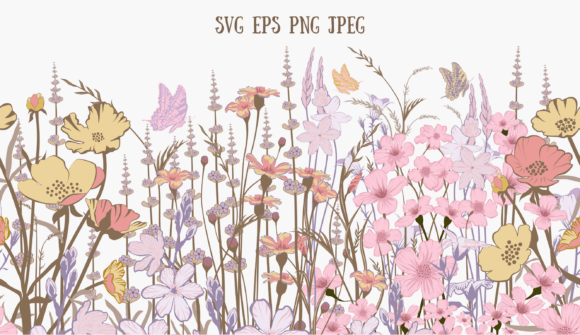
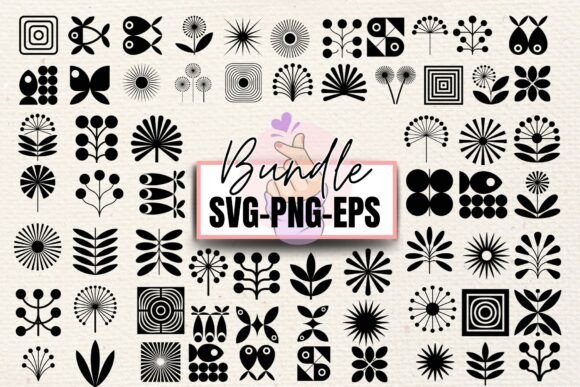
The immediate impression of Geometric Flowers, Fish Leaves is one of controlled organic beauty. Unlike traditional botanical sketches that rely on soft curves and shading, this collection uses sharp angles and defined lines to interpret nature. The "fish leaves" concept—a play on leaf shapes that mimic the sleek profile of aquatic life—adds a whimsical yet sophisticated touch. For an embroidery project, this geometric approach is often superior to highly detailed realism because it reduces the risk of thread breakage and maintains clarity even at smaller sizes.
The mood here is modern boutique. It feels at home on a minimalist tote bag or a structured cap where clean lines are essential. When you look at the SVG and EPS files included in the purchase, the paths are generally smooth, which is a good sign for digitizing. If you are using these as a base for a custom apparel line, the visual personality suggests a brand that values precision and contemporary style over rustic charm.
Real-World Application: The Tote Bag Test
To truly evaluate these designs, I envisioned a specific scenario: a custom order for a local farmer's market vendor needing branded tote bag design elements. She wanted something that looked professional but handmade, suitable for canvas totes that would carry heavy produce. Geometric Flowers, Fish Leaves fit this brief perfectly.
In this context, the bold outlines of the geometric flowers hold up exceptionally well against the coarse weave of canvas. A dense fill stitch interpretation of these shapes would create a solid, durable patch effect, while a satin stitch border would give it a premium, raised look. The transparency of the PNG file included in the package allows for quick mockups, helping the client visualize the finished product before a single needle hits the fabric. For an Etsy seller, this ability to quickly generate printable mockup images is invaluable for listing creation.
Beyond totes, I can see these working beautifully on sweatshirt embroidery. The geometric nature prevents the design from looking muddy on fleece or French terry, fabrics that often swallow fine details. Whether placed on the chest of a hoodie or the sleeve of a crewneck, the sharp edges of the fish leaves provide a crisp contrast to the soft fabric texture.
Technical Considerations for Stitching
While the source files (PNG, SVG, EPS) are excellent for graphic design and further digitizing, it is crucial to remember that this is not a pre-digitized embroidery file ready for your machine. You cannot load an SVG directly into most home embroidery machines without conversion software. If you are a hobbyist looking for a plug-and-play solution, you will need to digitize these vectors yourself or hire a digitizer to convert them into a format your machine understands, paying close attention to stitch density.
When converting these Illustrations into stitches, keep the following in mind:
- Stitch Type Selection: The sharp points in the geometric flowers are ideal for satin stitch columns, but be careful with angles sharper than 45 degrees, as they can cause thread bunching. Consider using a short running stitch or a tatami fill for the interior of larger leaf shapes to maintain stability.
- Fabric Compatibility: These designs shine on stable woven fabrics like cotton, linen, and denim. Be cautious when applying them to stretchy knits or thin silks. The rigid geometric lines may pucker if the fabric shifts during stitching. Always use a high-quality cut-away stabilizer for stretchy garments to prevent distortion over time.
- Hooping and Size: Before committing to a final piece, test the design on scrap fabric. Check if the details hold up in your intended hoop size. If you are shrinking the design for a baby embroidery project, such as a onesie pocket, ensure the smallest lines don't merge together.
- Color Contrast: The black and white silhouette nature of the SVG makes it easy to test contrast. However, when selecting thread colors, avoid low-contrast combinations on textured fabrics. A dark thread on a dark heather grey sweatshirt might lose the definition of the geometric edges.
Commercial Viability and Brand Consistency
For commercial embroidery professionals and craft business owners, consistency is key to building trust. Geometric Flowers, Fish Leaves offers a cohesive set of elements that can be mixed and matched to create a recognizable brand identity. Using these assets across different products—from embroidered patches to kitchen towel hems—creates a unified look that customers appreciate.
The value of these design assets lies in their versatility. They are neutral enough to work for gender-neutral baby clothes yet stylish enough for adult custom apparel. For holiday embroidery gifts, pairing these geometric botanicals with metallic threads can elevate a simple pillow cover into a luxury item. However, always verify the licensing terms provided by the creator before selling items made with these files. While the package includes editable vectors, ensuring you have the right to use them for small shop product sales is a necessary step to protect your business.
Final Verdict for Makers
In the world of digital downloads, it is rare to find Graphics that balance artistic flair with practical application so effectively. Geometric Flowers, Fish Leaves is not just a pretty picture; it is a functional toolkit for the modern maker. Whether you are digitizing for a high-speed commercial machine or hand-stitching a personalized gift, the clean lines and thoughtful composition provide a solid foundation.
My advice is to treat these files as a starting point. Experiment with different thread colors and fabric combinations. Test them on curved surfaces like caps to see how the geometry adapts to the shape. With the right preparation and a bit of technical know-how regarding stabilizers and stitch types, this collection can become a staple in your embroidery project library, helping you deliver professional, eye-catching results that keep customers coming back.